
Hair Thinning in Perimenopause
The Doctor’s Note Series
The Doctor’s Note Series provides physician insight into the most common questions women have about perimenopause and midlife wellness.
These articles are designed to help women better understand their bodies and support their health during hormonal transitions.
The Doctor’s Note Series provides physician insights on:
• Perimenopause and metabolism
• Hormonal health and midlife wellness
• Breast cancer prevention
• Skin and hair changes during hormonal transitions
• Women’s health and longevity
Read Doctor’s Note Below
Hair Thinning in Perimenopause:
Why Hormones Affect Hair Growth in Your 40s
By April Spencer, M.D.
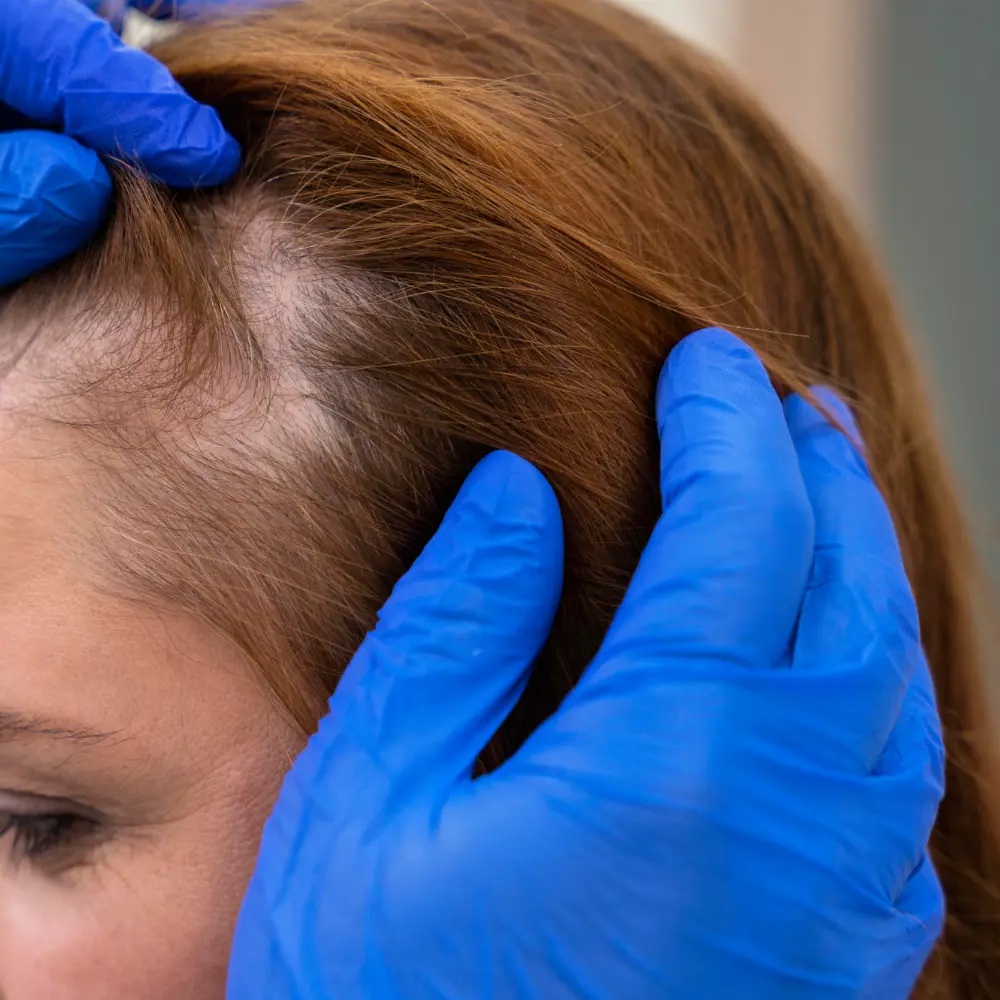
Hair thinning is one of the most surprising changes many women notice during their 40s.
Patients often say:
“My hair has always been thick, and suddenly it feels different.”
They may notice:
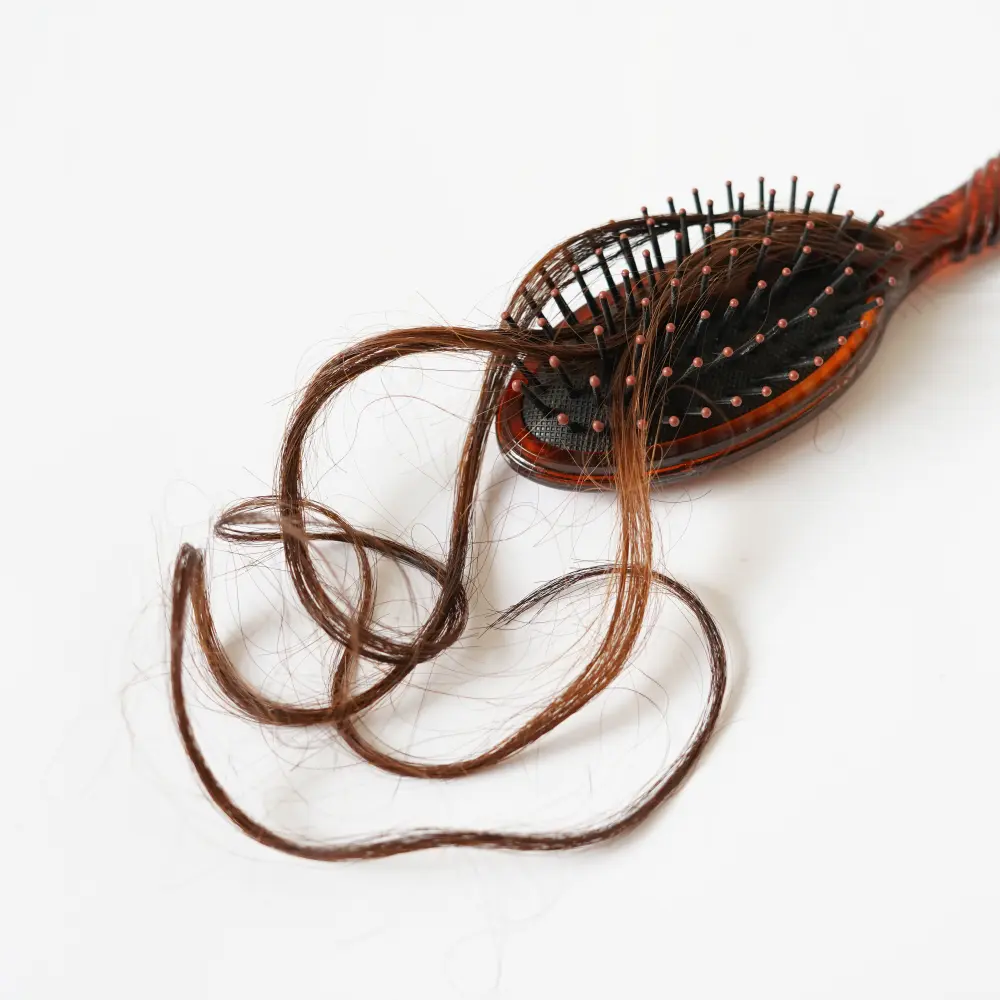
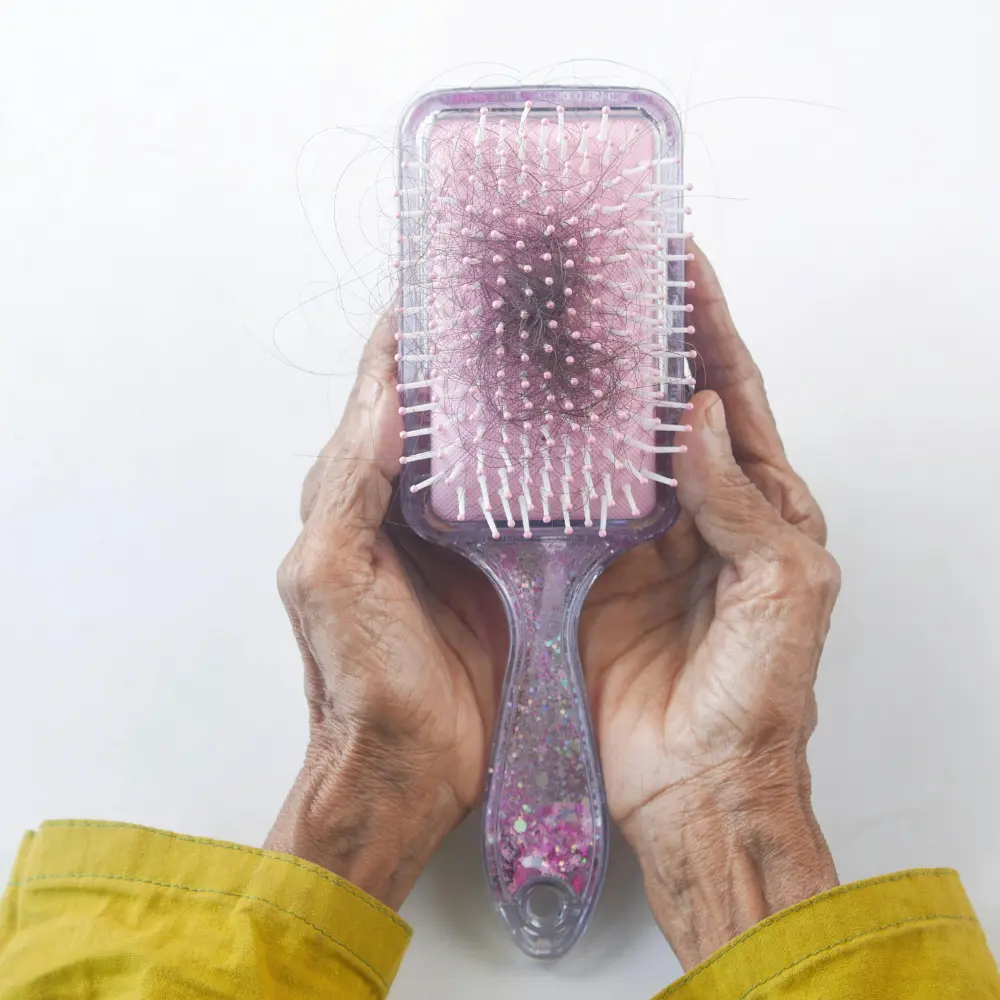
• Increased hair shedding
• A widening part line
• Thinner ponytails
• Slower hair regrowth
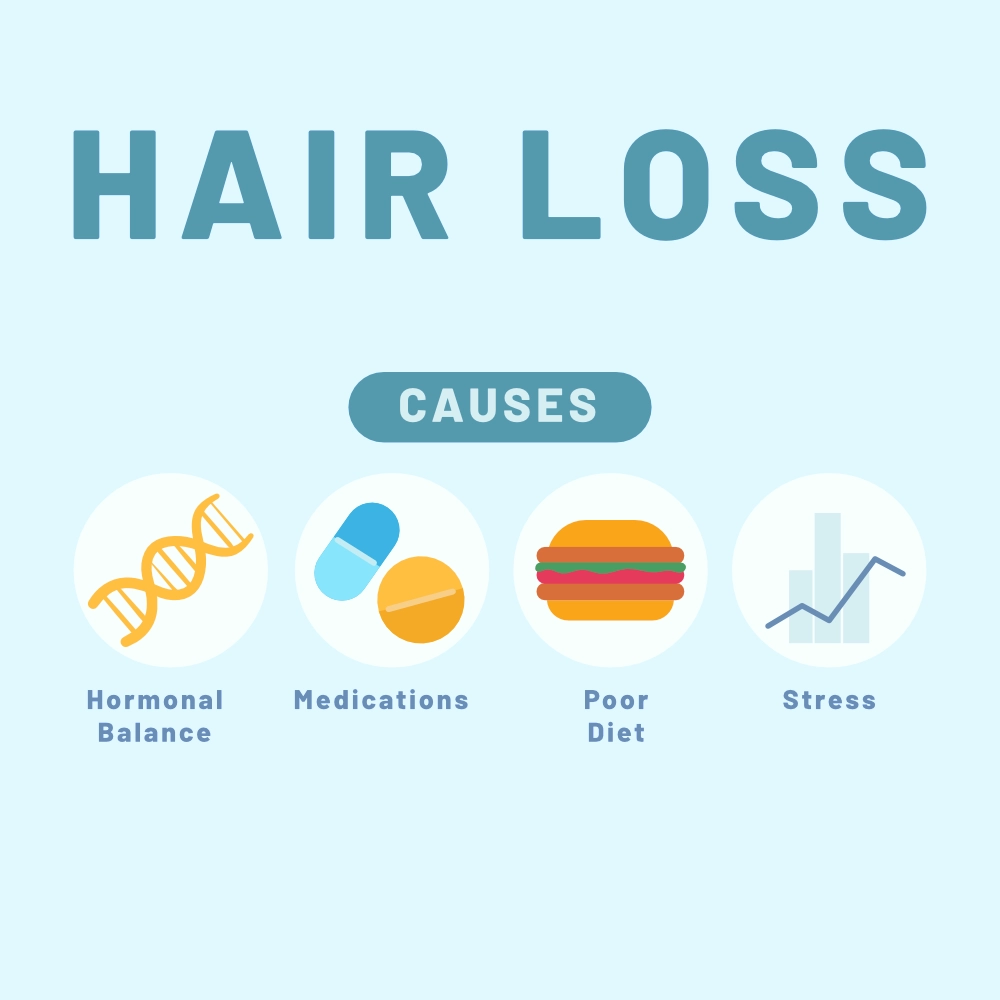
These changes are often related to hormonal shifts during perimenopause.
Why Hair Thinning Happens During Perimenopause
Estrogen supports the hair growth cycle.
During perimenopause:
• Estrogen declines
• Progesterone declines
• Testosterone remains relatively stable
This hormonal shift can shorten the hair growth phase, causing follicles to produce thinner strands and shed more frequently.
How Hormones Affect Hair Follicles
Hair follicles are sensitive to:
• Hormonal balance
• Nutrient status
• Stress hormones
• Metabolic health
When these systems change during midlife, hair growth patterns may shift as well.
Supporting Hair Health During Midlife
Strategies that support healthy hair growth include:
• Adequate protein intake
• Supporting micronutrient status
• Managing stress
• Maintaining scalp health
These factors support healthy follicle environments.
Frequently Asked Questions
Why does hair thin during perimenopause?
Declining estrogen shortens the hair growth cycle and increases shedding.
Does testosterone cause hair thinning?
Testosterone levels often remain stable while estrogen declines, increasing the relative influence of androgens on hair follicles.
Can hormonal changes cause facial hair?
Yes. Some women notice increased facial hair due to hormonal shifts during midlife.
How can women support healthy hair growth?
Balanced nutrition, scalp care, and overall metabolic health support healthy hair follicles.
About the Author
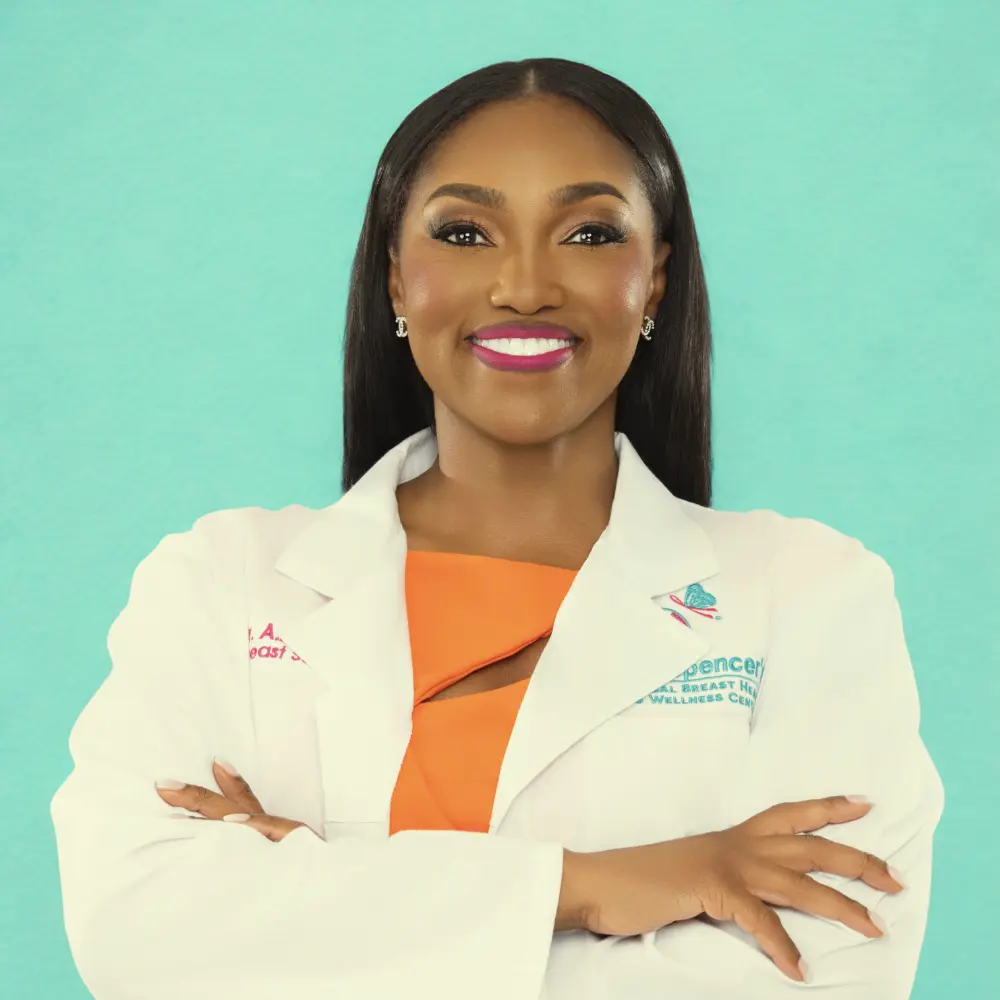
April Spencer, M.D. is a board-certified breast surgeon, mother of two, and the founder of Dr. Spencer’s Global Breast Health & Wellness Center.
With more than two decades of experience caring for women with breast cancer, Dr. Spencer is dedicated to advancing prevention, education, and proactive wellness strategies that empower women to take control of their health long before disease develops.
She is also the creator of Taylor Made RX Cosmetics, a physician-guided wellness and beauty brand developed to support women’s health from the inside out through targeted supplements, skincare, and hair care solutions designed for the unique needs of women navigating midlife and hormonal transitions.
Dr. Spencer’s work integrates medicine, prevention, and wellness to help women live healthier, more vibrant lives at every stage.

Explore the Doctor’s Note Series
The Doctor’s Note Series provides physician insights on:
• Perimenopause and metabolism
• Hormonal health and midlife wellness
• Breast cancer prevention
• Skin and hair changes during hormonal transitions
• Women’s health and longevity